

Tech Culture Takes Flight in Compton, From Runways to AI |
Aviation academies, aerospace pathways and AI planning are building a homegrown pipeline of innovators |
Ask most people where Southern California's tech scene lives, and they will point to the Westside.
Ask a teenager at Compton/Woodley Airport, and you may get a different answer.
Compton's version of tech culture does not look like a glass office park.
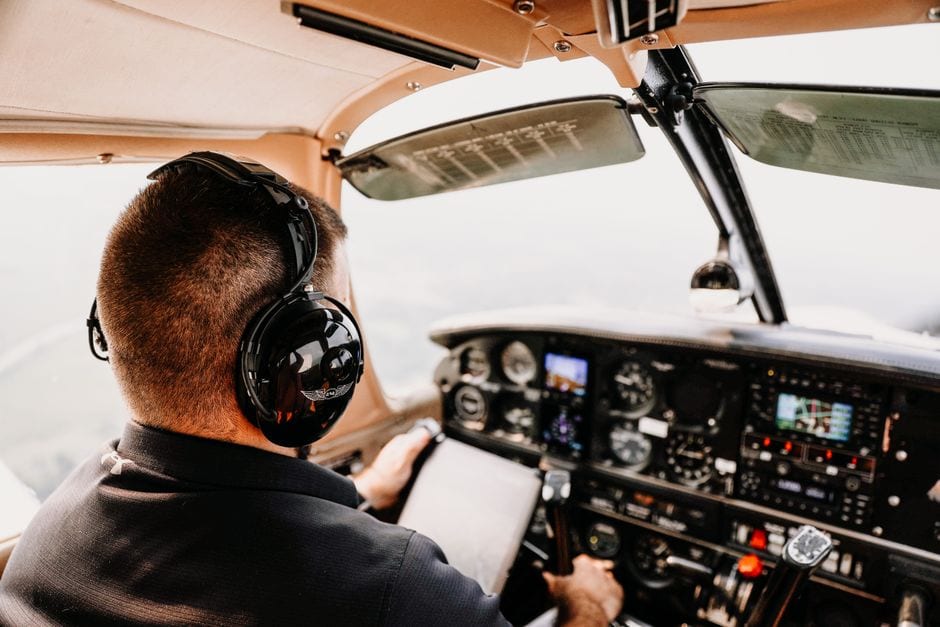
It looks like a kid running a preflight checklist on a single-engine plane, a high schooler flying a drone, and a community college writing rules for how artificial intelligence should be used on campus.
The runway is where much of it started.
Tomorrow's Aeronautical Museum, founded in 1998 by helicopter pilot Robin Petgrave, has spent more than two decades turning the airport into a living classroom.
Young people earn flight time by keeping up their grades and pitching in around the hangar, and alumni have gone on to careers as pilots, mechanics and engineers.
Students from the program have even set aviation world records, a fact that still surprises people who only know Compton from old headlines.
The Fly Compton Foundation has built on that legacy, pairing STEM lessons with hands-on flights in general aviation aircraft.
The airport also hosts the long-running Compton Air and Space Fair, a free community event with flight simulators and space-themed exhibits designed to show families that aviation careers are within reach.
For many children, it is the first time they have seen a pilot who looks like them.
The pipeline now runs through the school district, too.
Compton Unified scholars have spent a week in an aviation career academy hosted with American Airlines, where they used flight simulators, operated unmanned aerial systems and toured an aerospace manufacturer.
The highlight came when students took the controls of a real aircraft alongside a certified pilot, flying over their own city.
At the new Compton High School, the campus was wired for technology from the ground up, and students can pursue aerospace engineering alongside music and leadership programs.
That matters because a tech culture is not built by a single event; it is built by repeated exposure, year after year, until a career path feels normal.
Artificial intelligence is the newest frontier.
Compton College has made building AI into a strategic capability one of its official goals for 2026 through 2028.
The plan calls for an institutional AI policy and training for faculty and staff on responsible use, along with using AI to streamline administrative work and maintenance planning.
For students at a college recently designated as one of California's first Black-Serving Institutions, the message is direct: the AI economy is not something happening somewhere else.
City government is modernizing as well.
The City Council has moved to replace outdated systems, including a new enterprise resource planning and payroll platform and a review of the city's aging pipeline franchise program.
Behind-the-scenes upgrades rarely make headlines, but they determine whether residents can pay a bill, pull a permit or find public records without a trip to City Hall.
Voters weighed in, too.
The school bond approved in June specifically lists technology centers among the facilities it can fund.
There is still work to do.
Access to devices, reliable home internet and paid internships remains uneven, and many families still lack a clear on-ramp into tech jobs.
Local businesses and employers that can offer mentorships, apprenticeships and first jobs will decide how far this momentum goes.
But the foundation is real.
Compton has runways, classrooms and a college willing to plan for the AI era.
The next generation of local innovators is already in training.
The rest of the region would be wise to pay attention. |
0 Comments
Join the conversation
Be the first to comment
Share your thoughts above.